Brakes

Your vehicle's warranty is a valuable protection, but it comes with conditions. Manufacturers require that servicing be completed according to the log book schedule—if you skip or delay services, you risk voiding warranty coverage on major components. This is particularly important for newer vehicles, where repair costs can quickly reach thousands of dollars.
When you service your car at a dealership or authorised service centre, they stamp your log book as proof of compliance. This documentation is crucial if you ever need to claim warranty work. Without it, you may find yourself paying out of pocket for repairs that should have been covered. Think of log book servicing as an investment in protection rather than just maintenance.
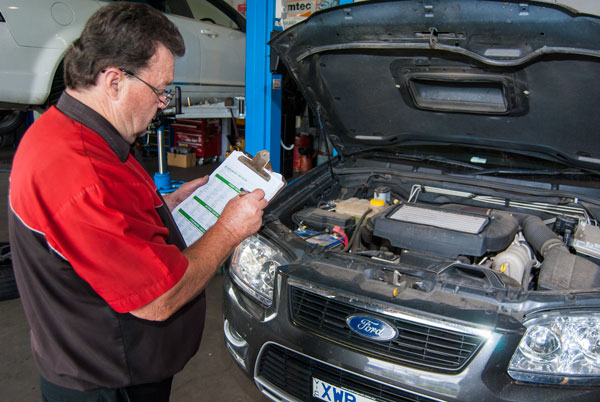
When you eventually sell or trade in your vehicle, a complete service history documented in the log book significantly increases its market value. Buyers want confidence that the car has been properly maintained, and a full log book is proof of that care. Vehicles with patchy or missing service records often sell for thousands less than their well-maintained counterparts.
For Melbourne drivers who rack up kilometres on the Princes Freeway, the Hume, or local suburban roads, demonstrating consistent servicing becomes even more valuable. Buyers recognise that high-kilometre vehicles with full service histories have been looked after properly. This transparency builds trust and helps you achieve the best possible price when it's time to sell.
Melbourne drivers experience everything from heavy city traffic and stop-start commuting to longer regional highway runs. This mixed driving creates specific wear patterns on brakes, clutch systems, and suspension components. Log book servicing is tailored to these varying demands, with scheduled checks and fluid changes that keep your vehicle performing smoothly regardless of road conditions.
Sticking to the manufacturer's schedule helps catch small issues before they become expensive problems. Regular brake inspections, clutch assessments, steering and suspension checks, and fluid top-ups all contribute to safe, reliable driving. By the time you've clocked up 100,000 or 150,000 kilometres on mixed urban and regional roads, the cumulative benefit of consistent servicing becomes obvious—fewer breakdowns, lower repair costs, and peace of mind.
Start by reading your log book carefully to understand your vehicle's specific servicing intervals. Some cars require servicing every 10,000 kilometres, others every 15,000 or 20,000. Note down the schedule in your phone or diary, or ask your service centre to send reminders. This simple step prevents missed services that could jeopardise your warranty or resale value.
Choose a trusted local service centre that understands the demands of Melbourne driving conditions. A provider familiar with the region knows how brakes and clutches wear under city traffic, and how suspension handles pothole-laden suburban streets and regional highways. Keep all service receipts and ensure each visit is properly recorded in your log book. This documentation protects you now and adds value when you sell.