Brakes

Brake pads are designed to gradually wear down as friction converts your vehicle's kinetic energy into heat, bringing you to a stop safely. The rate of wear depends on your driving style, the roads you travel, traffic conditions, and the quality of your pads. Aggressive braking, heavy city traffic, and mountainous terrain all accelerate wear, which is why drivers in Melbourne's eastern suburbs—navigating everything from suburban streets to winding country roads—should check their pads regularly.
Most brake pads are engineered to last between 50,000 and 70,000 kilometres, though some premium materials can extend this. However, this is only a guideline; your individual mileage may vary significantly. Regular inspections during your log book servicing or roadworthies appointment are the best way to catch wear before it becomes dangerous.
One of the most obvious warning signs is a high-pitched squealing sound when you apply the brakes. Many brake pads have a built-in wear indicator—a small metal tab designed to create this noise as the friction material depletes. If you hear this sound, it's time to book a brake inspection rather than ignore it and hope it goes away.
A grinding noise is far more serious and indicates that the friction material has worn away completely, and metal is now rubbing directly on metal. This causes damage to your brake rotors, which are far more expensive to replace than pads alone. If you're hearing grinding noises around Croydon, Ringwood, or Chirnside Park, visit a qualified mechanic immediately—continuing to drive in this condition is unsafe and will cost you more in repairs down the track.
If you notice that your vehicle takes longer to come to a complete stop than it used to, your brake pads may be significantly worn. You might also experience a soft or spongy brake pedal that feels less responsive, or you find yourself pressing harder to achieve the same stopping power. These changes are subtle but dangerous, and they often develop gradually so you may not notice until you're in an emergency braking situation.
Pay close attention to how your brakes feel during your regular commute around Mooroolbark or Kilsyth. Compare your braking performance to how it felt when your vehicle was new or freshly serviced. If something feels different, don't wait—book a roadworthies appointment or brake check with a trusted mechanic. Reduced braking efficiency puts you, your passengers, and other road users at risk.
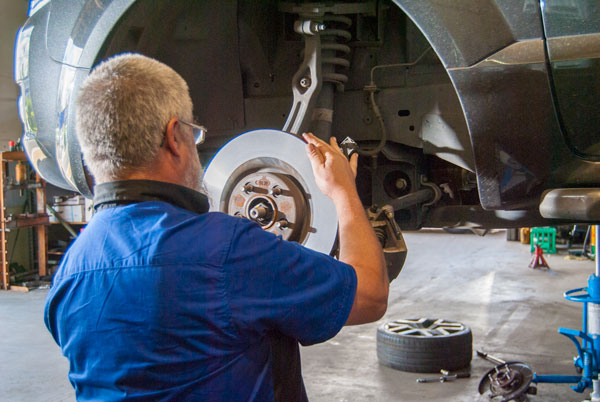
You can perform a basic visual check of your brake pads without special tools. Look through the spokes of your wheel at the brake rotor and pads; the friction material should be at least 5-6mm thick. If the pad looks paper-thin or is nearly flush with the metal backing plate, replacement is overdue. During your log book servicing in Ringwood North, your mechanic will conduct a thorough inspection, but knowing what to look for helps you stay alert between visits.
Dark dust or debris around your wheel and inside the wheel rim can also indicate brake pad wear, though this alone isn't conclusive. Some drivers notice their brake warning light illuminating on the dashboard—this is your vehicle's alert system and should always be investigated by a professional. Schedule a brake inspection at Advanced Brake and Clutch to get a definitive assessment and ensure your brakes are roadworthy and safe for Melbourne's demanding traffic conditions.